
Bladder Cut During a Hysterectomy
 100% No Win No Fee
Award winning experts in medical negligence
To start your free case evaluation or to simply discuss
your options fill in our quick and easy form. A Devonshires Claims’ medical negligence lawyer will be in touch within 24 hours to help with your next steps.
* This data will be used by Devonshires Claims for processing your query and for no other purpose.
During this procedure the bladder may be damaged as the abdomen is being opened, (i.e. it may be accidentally nicked or punctured) particularly if prior procedures have left a thin layer of scar tissue eg. from previous Caesarean sections.
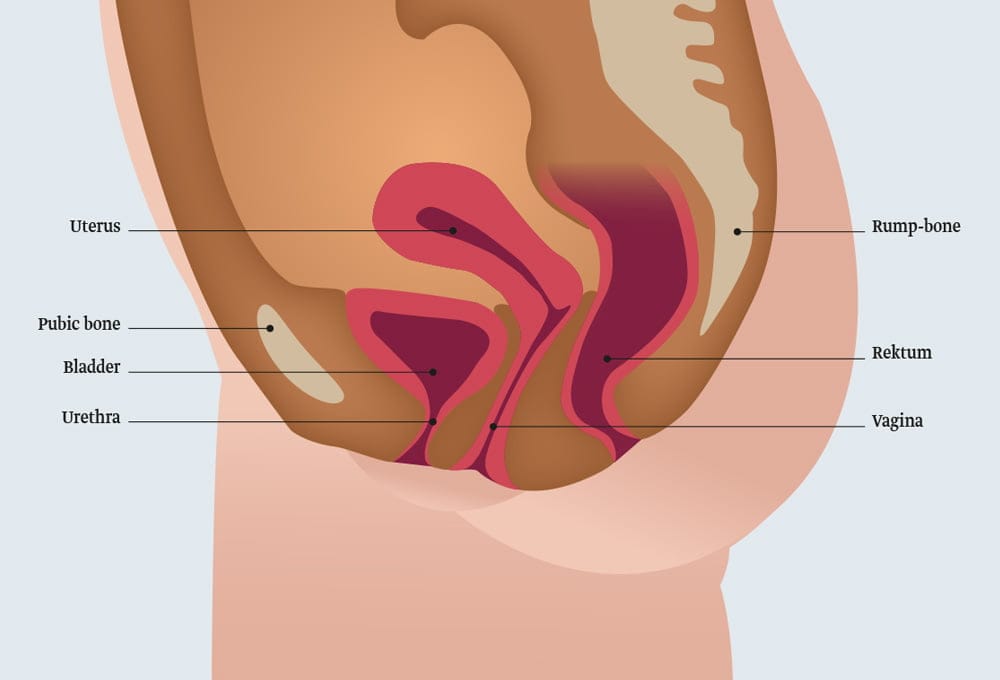
Additionally, the bladder and uterus are situated close together and must often be physically separated before the uterus can be removed. This process of moving the bladder down in order to access the uterus may also damage it.
If a surgeon makes a mistake during a hysterectomy and cuts or punctures the bladder, it must be repaired during the surgery in order to prevent complications.


A hysterectomy is a surgical procedure that involves the removal of the womb (uterus) and may also include the cervix and ovaries.
During this procedure the bladder may be damaged as the abdomen is being opened, (i.e. it may be accidentally nicked or punctured) particularly if prior procedures have left a thin layer of scar tissue eg. from previous Caesarean sections.
Additionally, the bladder and uterus are situated close together and must often be physically separated before the uterus can be removed. This process of moving the bladder down in order to access the uterus may also damage it.
If a surgeon makes a mistake during a hysterectomy and cuts or punctures the bladder, it must be repaired during the surgery in order to prevent complications.
If your surgeon was negligent and failed to identify cuts or injury to the bladder and failed to repair this damage during the hysterectomy surgery, you may be entitled to make a compensation claim.
Devonshires Claims’ medical negligence and compensation claims experts will carefully assess your bladder injury claim following a hysterectomy. Our medical negligence solicitors work hard to obtain the maximum compensation for the injuries you have sustained and we will put you in touch with other support services such as counsellors and clinical case managers who can help you recover.
For more information on Devonshires Claims ‘No Win No Fee’ hysterectomy compensation claims service or to start your free no-obligation case evaluation, please contact us today on 0333 900 8787, email [email protected] or complete our online contact form.
Surgical Mistakes and Negligence Associated with Hysterectomy Surgery
Hysterectomies are performed to address a number of issues affecting the female reproductive system including fibroids, long-term pelvic discomfort, ovarian cancer, uterine cancer, cervical cancer, or fallopian tube cancer. A hysterectomy is a significant procedure with a lengthy recovery period that should be considered only when less invasive options have been exhausted.
Due to the bladder being located close to the uterus, injury to the bladder during a hysterectomy surgery may not always constitute medical negligence. However, it is critical that the damage is recognised during the procedure and that a repair is made before the patient is sutured together.
Compensation for performing the hysterectomy in a negligent manner and injuring the bladder may be awarded in the following situations
- The patient was not informed of the risks of a cut or tear to the bladder prior to consenting to the hysterectomy
- The cut, tear or burn (from a surgical instrument) to the bladder was not identified during the surgery and was therefore not repaired.
- The risk of bladder perforation in women who have had previous surgical procedures such as C-sections and myomectomies (surgery to remove fibroids) were not identified.
If mistakes were made before or during the hysterectomy you may be able to claim compensation for the bladder and other injuries you sustained, any corrective surgery required and loss of earnings.
The Risk of Bladder Injuries During a Hysterectomy
A bladder injury that goes untreated may quickly lead to a range of significant problems. Often symptoms of a cut or damaged bladder could include:
- Blood in urine
- Infection
- Loss of bladder function (cannot control urination, pain during urination)
- Vaginal bleeding
- Leaking urine from your vagina.
Complications of cuts or injury to a bladder include:
- The first probable outcome is that urine seeps through the perforation and into the abdominal cavity, producing peritonitis. This causes symptoms such as fever, vomiting, diarrhoea, and, if not treated promptly, sepsis.
- A vesicovaginal fistula is another typical consequence of undetected bladder damage. This happens when the bladder and the vagina become connected (due to a hole or tear), causing urine to flow uncontrolled out of the vagina.
- Urinary tract infections
- A cyst may develop on the site of the cut, which could require further surgery to remove.
- The need for emergency surgery to fit a catheter while the bladder damage is repaired and the wound has healed. Continuous bladder drainage with a urethral catheter is mandatory following the surgery.
- A cut or damaged ureter may need to be surgically repaired and re-implanted
- Loss or reduction in kidney function
- Ongoing bladder issues (needing to urine often, urgent urination, pain during urination)
- Anxiety and depression due to lack of bladder control and discomfort.
Compensation for Bladder Damage
A surgeon must always be aware of the risks of a procedure and act to minimise these risks. If mistakes were made during your hysterectomy operation and your bladder (or other organs) were cut or damaged, you could be entitled to make a surgical error compensation claim.
If negligent maternity or gynaecology care has caused harm, our medical negligence compensation calculator can give you an initial estimate of how much compensation you could be owed if your claim is successful.
Unfortunately, hysterectomy negligence and errors do occur throughout the NHS and in private hospitals.
By taking the steps to start your compensation claim, you have the opportunity to:
- Help prevent similar harm from occurring to other patients
- To make the health authority acknowledge the mistakes made
- and to secure the justice and compensation you deserve.
For a free case evaluation of your bladder injury claim following a hysterectomy, contact our experienced and compassionate pregnancy negligence claims solicitors today. We will deal with your claim with sensitivity and keep you informed at every stage of the legal process. Call us today on 0333 900 8787, email [email protected] or complete our online form to contact us.
Bladder Cut During a Hysterectomy FAQs
The uterus and the bladder are anatomically close to one another, which means it is possible for the surgeon to accidentally cut or tear the bladder as the uterus is removed.
This can cause several problems, including:
• infection
• blood in urine
• vaginal bleeding
• urine leaking from the vagina
• incontinence
• a need to urinate frequently
We provide:
- A ‘No Win No Fee’ medical negligence claims service for ambulance delays and paramedic claims.
- A ‘No Win No Fee’ arrangement is also known as a ‘Conditional Fee Agreement’. Under a No Win No Fee agreement, you will not be charged any costs if your case is not successful*.
- If you win you will pay a maximum of 25% from your damages**.
The symptoms of a cut to the bladder will vary from one person to another. Common symptoms include:
- pain
- difficulty passing urine
- blood in urine
- urine leaking through the vagina
- pain while urinating
- fever
- back pain
To make a bladder injury compensation claim, speak to one of our medical negligence compensation solicitors today. They will take the time to listen to the details of your case in an empathetic and caring manner and advise if you have grounds for a claim. Our team will assess whether the duty of care owed to you was breached, and whether breaching this duty of care caused your injuries. If so, are likely to have a strong case for compensation.
Your solicitor will take strain off you and handle your case for you, including collating the necessary evidence (including medical records and correspondence) and will write to the organisation responsible for your care, stating the grounds for your claim. Our team are best placed to be able to understand the response and move your claim forward to a satisfactory resolution.
Surgery always carries some level of risk. Bladder or bowel damage are two common types of complication. Others include:
- bleeding
- ureter damage
- infection
- blood clots
- vaginal problems
- early menopause
How long does it take for a bladder to heal after a hysterectomy?
Again, this may vary from patient to patient and depends on multiple factors. As a rough rule of thumb, expect the healing process to last at least four to six weeks.
Bladder prolapse is caused when external support for the bladder weakens and the bladder drops into the vagina. The vaginal wall normally supports the bladder, but this can be weakened by several factors.
Bladder prolapse can cause problems like urinary difficulties, discomfort, and stress incontinence. Symptoms include:
- a feeling of heaviness around your lower tummy and genitals
- feeling or seeing a bulge or lump in or coming out of your vagina
- discomfort or numbness during sex
- difficulty urinating.
Be very careful how you move as you recover from your hysterectomy. In particular, take care getting in and out of bed, be careful about coughing or sneezing, and avoid heavy lifting.
In addition, be mindful when going to the toilet. Constipation, diarrhoea, and straining can increase the risk of a prolapse.
Other helpful approaches include asking your doctor for some pelvic floor exercises and trying to avoid weight gain.
This will depend on the circumstances of your situation. However, if your surgeon was negligent and didn’t notice the cut, or failed to repair it during the surgical procedure, you may be entitled to make a compensation claim.
You may also be entitled to compensation if you were not informed of the risks of a cut or tear to the bladder, prior to consenting to the hysterectomy.
Claiming for medical negligence
Claiming for medical negligence can feel daunting, especially when you are suffering with pain or other physical difficulties. However, a clinical negligence solicitor will be sensitive to your situation while offering practical advice and support.
The success of your claim will depend on the circumstances and whether the medical care you received was below a reasonable standard.
At Devonshires Claims, our team of experienced clinical negligence solicitors has the knowledge and expertise to effectively assist with medical negligence compensation claims resulting from issues arising during a hysterectomy.
In addition to evaluating what happened, and advising you whether you have a claim, we can also guide you through the legal process and represent you on a ‘no win no fee’ basis.
For more information or to start your free case evaluation, contact Devonshires Claims today. Call 0333 016 5180, email [email protected], or use our online contact form.
