
Medical Equipment / Objects Left Inside Patients After Surgery Claims
 100% No Win No Fee
Award winning experts in medical negligence
To start your free case evaluation or to simply discuss
your options fill in our quick and easy form. A Devonshires Claims’ medical negligence lawyer will be in touch within 24 hours to help with your next steps.
* This data will be used by Devonshires Claims for processing your query and for no other purpose.


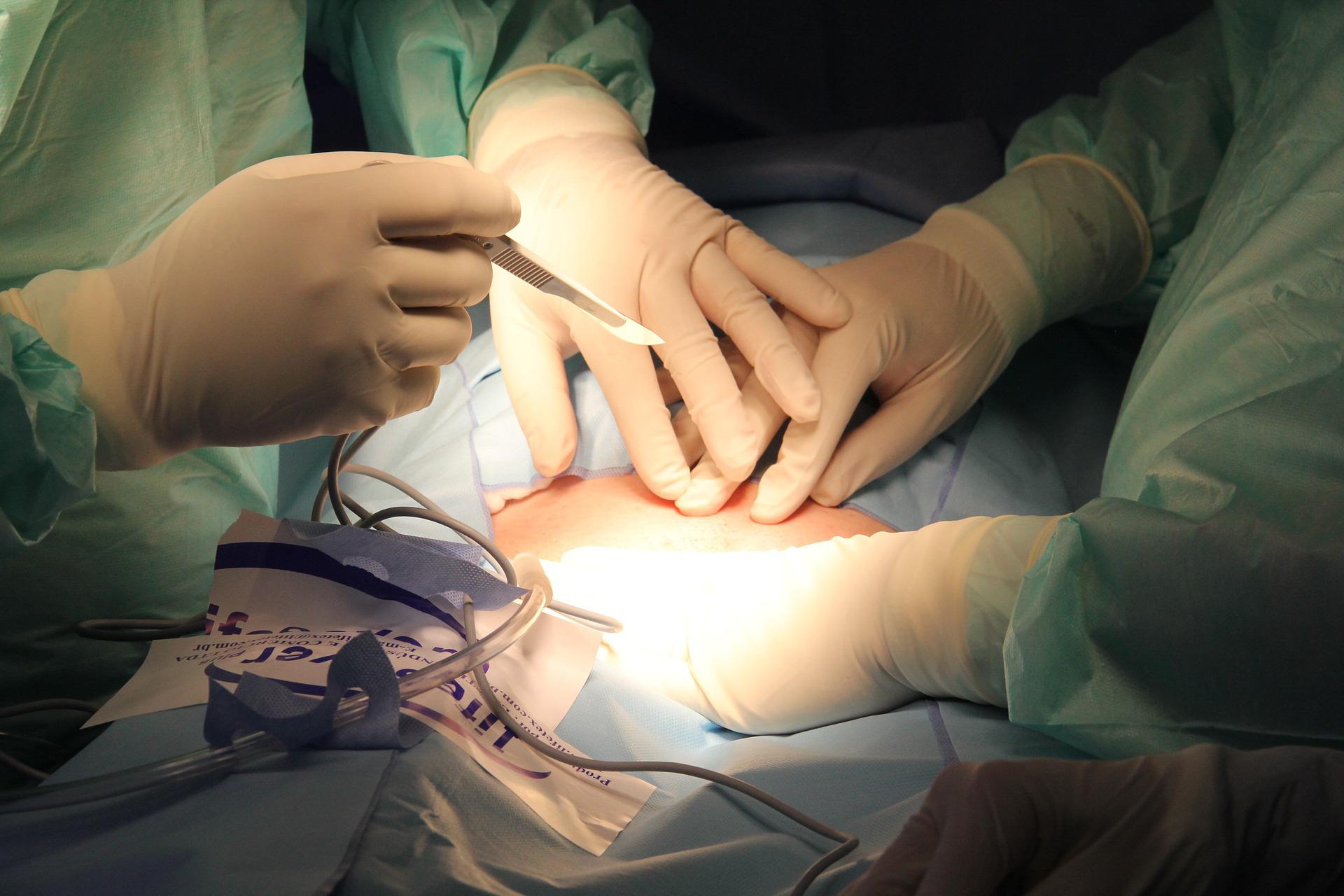
Surgeons, nurses and other medical professionals are trained to make sure that all surgical instruments are accounted for during surgery. However mistakes do occur and patients have had medical equipment left inside their bodies.
Formally referred to as ‘foreign objects left in the body’ these mistakes can result in serious harm to a patient, including perforated organs, bowel obstruction, abbess and serious infection including sepsis.
If mistakes by a surgical team left you or a loved one with medical equipment inside the body, you could be entitled to make a compensation claim. Described as a type of ‘Never Event’ (as they should never have occurred under any circumstances), leaving items in a patient can result in injury, infection and possible death.
If we believe that you have strong grounds for a surgical errors claim, including leaving medical equipment in your body, our experienced medical negligence solicitors will support you with our ‘No Win No Fee‘ agreement. This means that you will not be charged any upfront legal costs in order to start your claim and if your claim is not successful, you will not incur any costs*.
Contact us today for your free no-obligation case evaluation. Call us on 0333 900 8787, email [email protected] or complete our online contact form.
What are the most common items left in a patient?
Items left behind, include:
- Sponges / swabs
- Suction tips
- Scalpels: Sharp metal knives are used for precision cutting.
- Suture Needles: Sharp objects are used to sew sutures or stitches.
- Syringe Needles – the ends of syringes can come off and remain in the patient.
- Retractors — This steel tool is used to hold incisions or wounds open, or to move organs or tissues to aid surgery.
- Clamps: Used to restrict or stop blood flow in veins and arteries.
- Forceps: These are metal tools used to grasp or hold parts of the body.
- Clips: Similar to clamps, used to temporarily hold veins, arteries and other tissues in place.
- Scissors
- Screws, Rods & Pins
Unfortunately surgical instruments left inside patients are often not detected unless the patient reports pain – or an infection is diagnosed.
Risks and complications of leaving equipment in the body
Leaving items in the body could result in:
- Pain, swelling
- Nausea
- Bowel obstruction
- Faecal/urine contamination
- Fistulas
- Heart attack
- Stroke
- Infection as a result of retained surgical instruments (eg sepsis)
- Internal bleeding
- Internal organ damage (eg gastrointestinal perforation, kidney/liver damage, internal lacerations).
- Vascular injuries
- Possible death
Negligent care resulting in these complications or serious harm can lead to hospital negligence cases.
NHS statistics: The most commonly left ‘foreign bodies’ inside patients (April 2021 – February 2022)
The NHS recorded 407 Never Events between April 2021 – February 2022, with 98 of these mistakes relating to medical equipment (foreign objects) left inside a patient.
The list below provides a breakdown of these 98 errors, with the majority of items relating to surgical and vaginal swabs being left in patients.
| Retained foreign object post procedure | 98 |
| Bolt from surgical forceps | 1 |
| Catheter used as part of a surgical procedure | 1 |
| Dental mouth prop | 1 |
| Dilatation balloon sheath | 1 |
| Guide wire – central line | 6 |
| Guide wire – chest drain | 2 |
| Guide wire – femoral line | 2 |
| Guide wire – PICC line | 2 |
| Guide wire – supra pubic catheter | 1 |
| Guide wire – vascath | 3 |
| K wire | 1 |
| Laparoscopic specimen bag | 2 |
| Ophthalmic port | 1 |
| Ophthalmic trocar | 1 |
| Part of a drill bit not identified as missing at the time of the procedure | 3 |
| Part of a guide wire – PICC line | 1 |
| Part of a k wire | 1 |
| Part of a pair of wire cutters | 1 |
| Part of a suture anchor introducer | 1 |
| Part of an intra uterine contraceptive device introducer | 1 |
| Part of uterine manipulator | 1 |
| Raney cranial clip | 1 |
| Scalpel blade | 1 |
| Screw from spinal instrumentation not identified as missing at the time of the procedure | 1 |
| Small piece of metal from knee instrumentation not identified at the time of the procedure | 1 |
| Surgical swab | 21 |
| Throat pack | 1 |
| Trial shoulder prosthesis | 1 |
| Unknown | 1 |
| Vaginal swab | 32 |
| Valve from breast prosthesis | 1 |
| Bite block | 1 |
| Part of bladder instrumentation | 1 |
| Ribbon gauze not identified as missing at the time of the procedure | 1 |
Making a compensation claim for medial equipment left in after surgery
Items left in a patient will of course require further surgery to remove them. Compensation may be available to reflect your pain and injury and help support:
- Further surgery and the option for private treatment
- Medication or medical equipment needed after surgery
- Rehabilitation
- Loss of income
- Managing physical pain and immobility
- Emotional recovery to manage trauma, stress and depression
If you believe you have a claim relating to a surgical error, including medical equipment being left in the body, speak with one of our claims specialists.
For an early idea of claim value, use our NHS compensation calculator if medical equipment, swabs or other objects were left inside you after surgery because of negligent hospital care.
Devonshires Claims’ medical negligence solicitors have experience in dealing with surgical mistakes as well as other medical negligence claims. They will work with you to achieve the best possible outcome including justice for the harm you suffered, and compensation which adequately reflects the injury, pain, financial losses and the need for further medical treatment and care.
We provide victims of medical negligence with:
- A free no-obligation case evaluation
- A ‘No Win No Fee’ agreement
- Access to our network of medical experts and specialist barristers
- Over 20 years’ experience
Contact us today to start your free case evaluation. Call us on 0333 900 8787, email [email protected] or complete our online form.
Medical Equipment / Objects Left Inside Patients After Surgery FAQs
A large variety of surgical items can potentially be left in a patient: from swabs, clips, and sutures, to scissors, scalpels, and needles.
What are the most common retained surgical items?
Most objects left inside a patient are surgical swabs and sponges. However, there are many different surgical items that can be left inside a patient.
Symptoms may vary. Some patients may experience symptoms straight away. For others, symptoms may take months to develop.
The most common symptoms are pain, swelling and tenderness, or feeling bloated.
How do you know if something was left in you after surgery?
If a surgical instrument has been left inside you, you may eventually experience any number of a range of symptoms including:
- pain
- tenderness
- swelling
- nausea
- unusual (black or bloody) bowel movements
- constipation
- a decline in general wellbeing
- an increase in the intensity of post-operative pain
- swelling
This is not an exhaustive list. If you have concerns or any other symptoms, consult a doctor immediately.
There are multiple factors that may increase the risk of retained surgical items. These include:
- blood loss during the operation
- the duration of the operation
- the need for a secondary procedure
- a lack of or an inaccurate surgical equipment count
- unexpected factors occurring during the operation.
A surgeon who leaves surgical equipment inside the body is not guilty of a crime unless it was done deliberately and with an intention of causing harm.
However, they may have committed surgical negligence. This means the standard of care they provided may not have been as good as it should have.
Can you claim for foreign objects left behind during surgery?
Leaving a surgical instrument inside a patient is a serious medical incident that should never happen. If it happens to you, there is a strong chance you will be able to claim for medical negligence.
You can normally claim for:
- the cost of further surgery
- any equipment you require as a result
- loss of earnings
- the pain you have suffered
- emotional distress you have suffered
Making a claim after a surgical item is left inside your body
If an operation goes wrong and something is left inside you, you may be able to claim compensation for medical negligence. The success of your claim will depend on the circumstances and whether the medical care received was below a reasonable standard.
After consulting with a medical professional, you should consider getting advice from a clinical negligence solicitor. They can evaluate what happened and advise whether you have a legitimate claim.
In addition to advising how much you should claim, a clinical negligence solicitor can also guide you through the claim process.
At Devonshires Claims, our team of experienced clinical negligence solicitors have the expertise and knowledge necessary to help you make a successful claim for compensation, if you have a retained surgical instrument after surgery.
In addition to providing a free case evaluation, we can assist with collecting the evidence to build your case, and represent you in the claims process on a ‘no win no fee’ basis.
For more information and a confidential discussion, contact Devonshires Claims today. Call 0333 016 5180, email [email protected], or use our online contact form.
